
What Is Landlord Insurance, and What Does It Actually Cover?
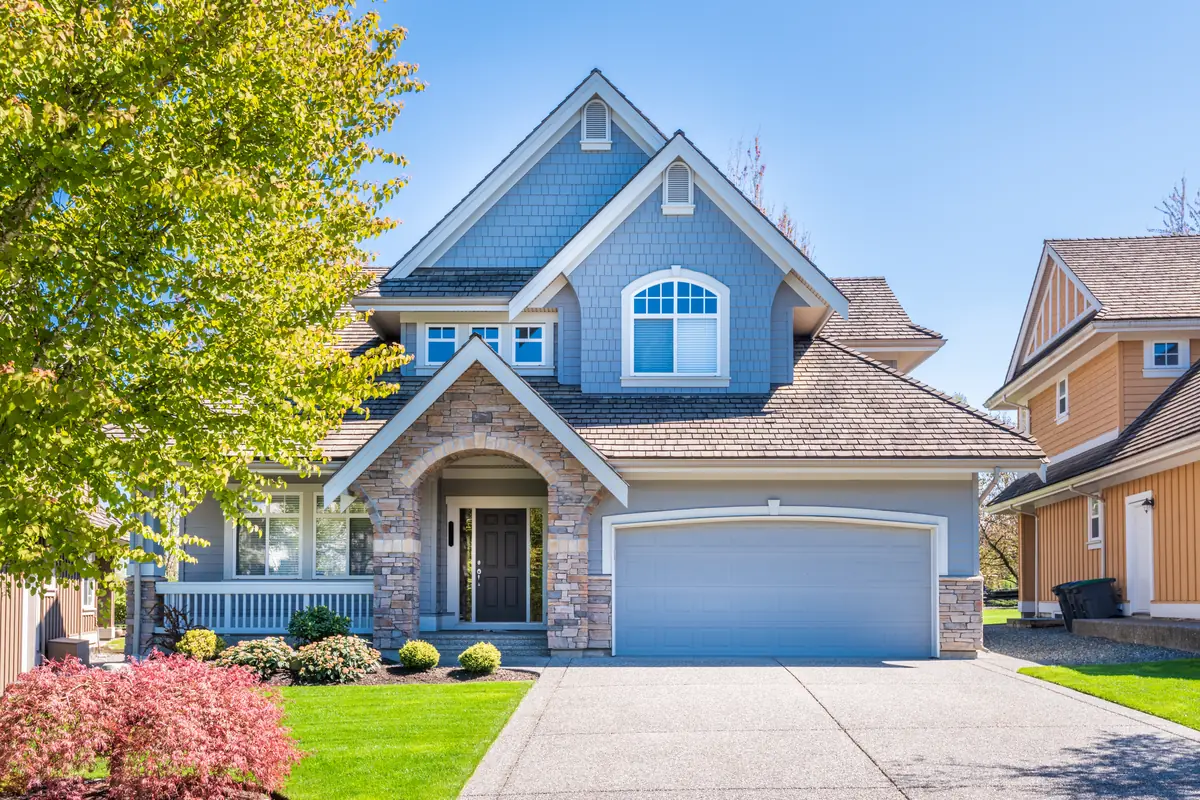
Landlord insurance is the owner’s policy on a building other people live in. It pays to repair the structure after a covered loss, can replace rent that stops while units cannot be lived in, and answers when someone says the building hurt them. It is a set of separate coverages in one document, not a single promise.
A policy for the owner, not for the occupant
Start with whose policy it is. Landlord insurance protects the person who owns the building and collects the rent. It does not protect the people who live there, and it does not reach into their lives. A tenant’s furniture, clothing and electronics are the tenant’s, and a tenant who wants them insured buys that cover separately.
That split explains most of what follows. The owner’s interest is in the building, the money it earns and the claims that can be made against its owner. Each of those is a different kind of loss, so each gets a different coverage. The document that gathers them is built around a picture of how rented buildings are used: a lease, rent arriving on a schedule, and an owner who is not in the building most of the day.
The four questions it answers
A way to hold the definition in your head is to treat the policy as answering four questions about one building.
- What if the building is damaged? That is property coverage, the part that pays to put the structure back after a fire, a storm or similar insured event.
- What if the rent stops because of that damage? That is loss of rents. North Carolina’s insurance regulator says dwelling forms can include fair rental value and that loss of rent coverage may come with a DP-2 form; whether yours does is in the form.
- What if someone is hurt and blames the building? That is the exposure general liability is read for, a claim for injury or damage made against the owner; what your policy does with one is set out in its liability section.
- What if a rental decision is challenged? That is tenant discrimination cover, a separate exposure that arises from choices about who gets a unit rather than from anything physical.
Not every policy carries all four, and the ones it does carry arrive with their own limits. That is why the answer to “what does it cover” is always a question about a particular declarations page.
What it leaves for other documents
A definition that only lists inclusions misleads. Several things owners expect are not in the box.
Flood is the usual first surprise. It is commonly written as its own placement, through the federal flood program or a private flood market. Earth movement tends to be separate as well. Wear and tear, slow deterioration and plain neglect are maintenance, a cost the owner carries directly. A tenant who stops paying while the building is perfectly fine is a problem with the tenancy and its lease, and our piece on unpaid rent goes through it.
Two other places owners are caught out are worth naming here. A building left empty for a stretch can find that some provisions respond differently once it has been unoccupied, and a building that has to be rebuilt to current standards after a loss can find that the extra cost of doing so is a separate question from the cost of putting back what was there. Whether your policy addresses either is a matter of its wording, not of the category it belongs to.
The longer account of the edges, with the reasoning behind each, is in what a landlord policy will not pay for. Read it before you assume anything about a loss you have not had yet.
Where it sits among other policies
Insurers sort buildings by how they are used. A building its owner lives in is one product. A building the owner rents out is another, and it normally sits in what the industry calls the dwelling family. North Carolina’s insurance regulator publishes a plain-language page on that family of policies, noting that they can include fair rental value and loss of rent coverage alongside the structure itself.
The family has members, and they differ in how much they are prepared to answer for. Which one your building is written on is printed on your declarations page. Our piece on which policy a rental building takes goes through how to find it.
Real-World Scenario: An owner inherits a small rental building and assumes the insurance that came with the house she grew up in will carry over. A burst supply line in an upstairs unit soaks the ceiling below, and both tenants move out for the repair. She learns that the policy she kept was written for an owner living in the building, that nobody told the insurer it was rented, and that the questions at the claim are about occupancy rather than water. Nothing about the building was concealed. It simply was never described the way it was actually used.
Why one document holds so many separate promises
It can look odd that a single policy bundles things as different as bricks, rent and lawsuits. The reason is practical. Each of those losses has the same trigger: something goes wrong at one address that you own. Putting them in one document, with one named insured and one described location, means one premium, one renewal and one place to look when something happens.
But the bundle is not a blanket. Each coverage inside it carries its own limit, its own conditions and sometimes its own deductible. A building can be generously insured for the structure and thinly for liability, or the reverse, and nothing about the document’s length tells you which. When owners say they have “full coverage” they usually mean the structure is insured. That is one question out of four.
The consequence is that the useful question is never “do I have landlord insurance” but “which of the four questions does mine answer, and how far”. An owner who can answer that in a sentence for each is in a better position than one holding a thicker policy they have not read.
The words that carry the weight
A handful of terms do most of the work in any policy, and they are worth knowing before a claim.
The named insured is the person or entity the promises run to. The described location is the address and the building the policy is about. A limit is the most a coverage will pay for a loss. A deductible is the part of a covered loss that you carry before the policy pays. An endorsement is a change attached to the policy that alters its original terms, which is why the endorsement list is where a standard form becomes your particular policy.
None of these needs a figure to be understood, and none of them is the same from one policy to the next. Each is printed on your own paperwork, which is the version that will be read when a claim is made.
Who it is for, by building size
The definition holds across small residential rentals: a single house let to a household, a two-unit building, a three-unit building and a four-unit building. What changes with the count is not the idea but the questions the insurer asks and the markets that will take the risk. A building with several tenancies shares walls, systems and stairs, and a loss in one unit can reach all of them.
Our landlord insurance pillar carries the long account of how a policy for this kind of building is assembled, while this page stays with the definition.
What the price depends on, in outline
Owners often ask what it costs before they ask what it is. A figure here would be a guess, and we do not print guesses. What can be said is that the price follows the building, its age and condition, how it is used, where it stands and what you ask the policy to do. The reasoning is in what sets the price of landlord insurance, which treats cost as a set of drivers instead of a number.
Reading the one you already hold
If you already have a policy, the quickest test of this definition is to open it and look for four things: the named insured, the described location, the form and edition, and the coverage letters with their limits. Then ask whoever placed it which of the four questions above each letter answers, and which question, if any, has no letter at all.
The National Association of Insurance Commissioners keeps a consumer hub and a directory of state insurance departments where you can find your own regulator, and an endorsement, in the words of North Carolina’s regulator, is a change added to a policy that modifies its original terms. If you want the wording read by a licensed agent, send us the building and the policy, and here is who writes these pages.
The bottom line
Landlord insurance is not one promise but a set of separate ones attached to a building someone else lives in — the structure, the rent, the owner’s liability and the owner’s rental decisions — and the declarations page of your own policy is the document that says which of them you actually hold.
Frequently asked questions
Is landlord insurance the same as the policy on a house I live in?
No. A policy written for a house its owner lives in assumes the owner is present, and the exposures it prices follow from that. A building other people live in has a lease, a rent roll and an owner who is elsewhere on a Tuesday afternoon. The market sells that picture as its own product, usually on a dwelling form, with its own underwriting.
Does landlord insurance cover my tenants’ belongings?
No. What your tenants own is theirs, and it is insured, if at all, by a policy they buy for themselves. Your policy covers what belongs to you at the building: the structure and the items you left in it, such as a range or floor coverings. Asking tenants to show proof of their own cover is a sensible lease term, not a coverage on your building.
Does it pay when a tenant stops paying rent?
Not as a general rule. The rent-replacement part of a landlord policy responds when a covered event makes units unlivable, not when a livable unit simply stops producing money. Nonpayment is a lease and local-process matter. We cover the difference in a separate piece, linked from this one, because the two get confused constantly.
Is flood damage included?
Usually not. Flood is commonly its own placement, written through a federal program or a private flood market, and a standard property form is not built to answer for it. Whether your policy has any water wording at all is a question for your own declarations page. If your building sits near water, ask about flood before you need to.
Do I need landlord insurance if I own the building outright?
Whether anyone requires it is a different question from whether you want it. A lender typically requires cover on a financed building; an owner with no loan may hold none. But the exposures the policy answers do not depend on who financed the building. A fire, a fall on the stairs or a storm costs the same either way.
How do I know what mine actually covers?
Read the declarations page. It names the insured, the building, the form, the coverage letters switched on with a limit beside each, and the endorsements attached. That page is the answer for your building. If any line is unclear, ask whoever placed the policy to walk it with you, and ask them especially what is not there at all.