
Coverage line
Property Coverage
The building is the asset. This is the coverage that puts it back together, and the settlement turns on a choice most owners made without being told they were making it.
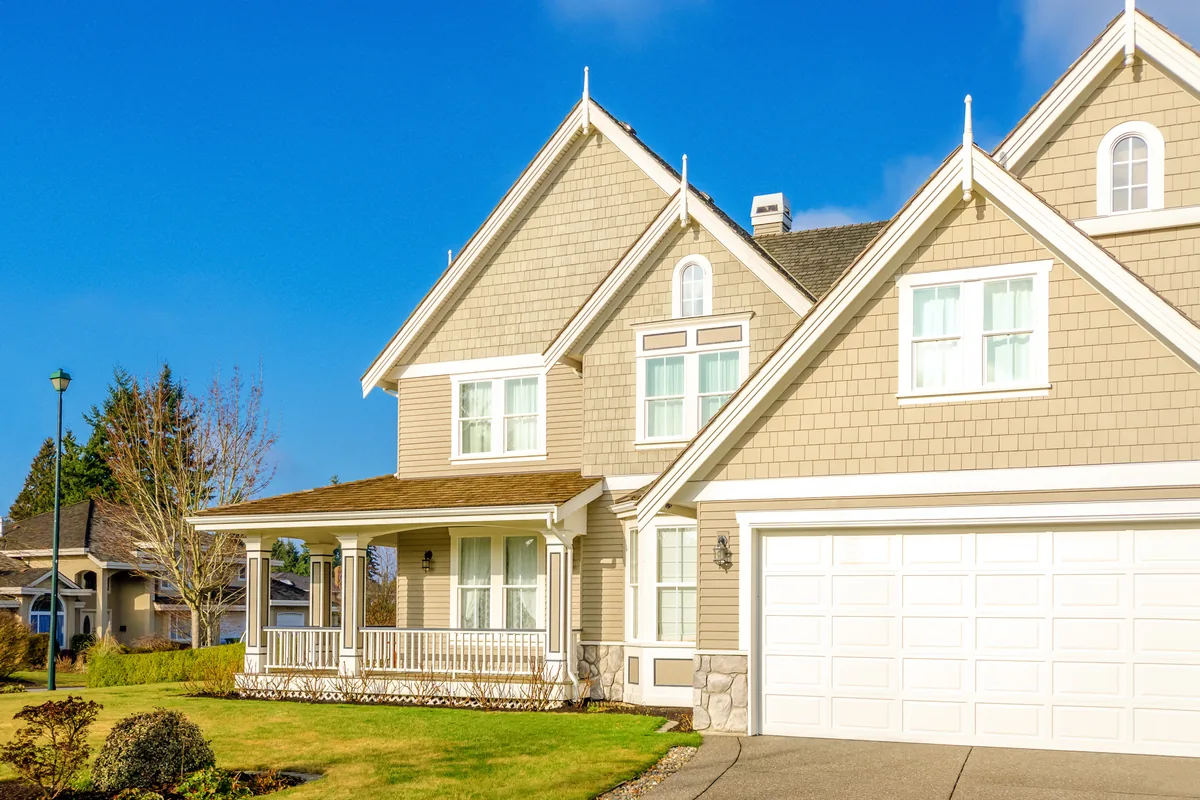

Of the four coverages on a rental policy, this is the one owners believe they already understand. The building gets damaged, the carrier pays to fix it. That is broadly right, and it skips the two questions that decide what actually lands in your account: which kinds of damage the form answers for, and what the word “fix” is worth once an adjuster has applied the valuation basis printed on your declarations.
On residential rental buildings with one to four units this coverage normally sits on a dwelling policy rather than a commercial one. The North Carolina Department of Insurance describes that family as the one used where the owner does not make the building their primary residence, which is the entire reason it exists as a product separate from the form written for an owner who lives upstairs.
Sudden and accidental, not slow and expected
Every dwelling form draws one line, and almost every declined claim on a small rental sits on the wrong side of it. These policies answer for damage that arrives suddenly. They do not answer for damage that arrived gradually and was allowed to keep arriving.
The North Carolina Department of Insurance lists what that typically means in practice. Among the exclusions it names as usual are neglect; wear and tear and deterioration; mold, rust and rot; constant or repeated leakage or seepage of water; and damage from birds, rodents and insects. Read that list as a description of what the policy considers your job rather than a list of things somebody is refusing to do.
A supply line that lets go behind a wall on a Tuesday is a covered event. The same line weeping into the same wall for two years, until the framing is spongy and the ceiling below gives way, generally is not. A hailstorm that opens a roof is an event. A roof that reached the end of its service life and finally stopped keeping water out is an expense. Deferred maintenance does not become insurable by getting worse.
This line falls harder on a rental than on a house the owner lives in, and the reason is simply presence. You are not in the building every day. The failures that the form excludes are exactly the ones that announce themselves quietly — a stain that grows, a smell that comes and goes, a drip somebody meant to mention. A tenant reports what is inconvenient; nobody reports what is merely getting worse. An inspection cadence and a written record of it is the cheapest risk control an owner of a small building has.
The breadth of what counts as sudden varies by form, and the range is wide. At the narrow end a policy names the causes it will answer for and answers for nothing else. At the broad end the structure is covered for any cause the policy does not expressly exclude, which shifts the argument at claim time from “is it on the list” to “is it excluded.” That is a meaningful difference in a dispute, and which one you own is a question your declarations answer and this page cannot.
How the structure is valued when the claim is settled
If you read one section here, read this one. Two policies can carry the same limit, cover the same fire, and pay very different amounts, because the amount is not set by the limit alone. It is set by the valuation basis.
Replacement cost pays what it takes to repair or rebuild at current prices for materials and labor. Actual cash value pays for that same repair with a deduction for the age and condition of what was damaged. The Texas Department of Insurance describes the two for consumers directly, and states the trade-off without decoration:
Policies with actual cash value coverage cost less, but they also pay less when you have a claim.
— Texas Department of Insurance, Home policies: Replacement cost or actual cash value?
On a rental building the deduction bites in a specific and predictable place: the components with the most years on them. A roof, a furnace, a water heater, siding. Those are also the components most likely to be damaged in the kind of loss a small building actually has, which is why the difference between the two bases is not academic on an older rental — it is the difference between a repair you can order and a repair you have to part-fund.
There is a second mechanic inside replacement cost that owners are almost never warned about, and it is a cash-flow problem rather than a coverage one. North Carolina’s regulator describes it: a replacement-cost policy may pay the actual cash value first, and reimburse the remainder once the work is finished and receipts are submitted. The full amount is there; it arrives in two pieces, and the second piece arrives after you have already paid a contractor. An owner who assumed the whole settlement would land at once can find the repair stalled on their own liquidity rather than on the carrier.
Two questions to put to whoever wrote your policy, in these words. Which valuation basis applies to the building. And whether every part of the structure settles on that same basis, or whether any component is treated differently from the rest. The second question is the one that surprises people.
The amount you insure it for is a term of the policy
The limit is not simply a ceiling you are free to choose. On residential property the policy generally conditions how it pays on your having carried an amount related to what the building would cost to rebuild, and the consequence of carrying too little is not confined to catastrophic losses.
The Virginia State Corporation Commission spells the mechanism out for consumers: an owner who insures for less than the amount the policy expects finds the carrier is not obligated to pay the total cost of a loss — and its guidance is explicit that this applies even when the loss is a small one. The settlement is instead worked out on a proportional basis, or on actual cash value, whichever is greater. In other words, under-insuring a building does not simply cap the big claim. It quietly reprices every claim.
Which makes rebuilding cost the figure worth getting right, and it is not a figure you already have. It is not the purchase price, because that bought a lot as well as a structure and North Carolina’s regulator is explicit that the ground the building rests on does not belong in the replacement-cost calculation. It is not the market value, which reflects what a buyer will pay for the income and the location. It is not the tax assessment. Virginia’s guidance warns plainly that rebuilding cost can differ substantially from what an owner paid, and it notes what happens next: construction costs rise, so an amount that was defensible when you bought the building is not automatically defensible now. Some carriers offer an endorsement that moves the limit with those costs rather than leaving it where you set it. Ask whether yours does, and ask what it is doing.
What the form will not pay for, and where those exposures go instead
An exclusion is not a hole in your coverage so much as a signpost pointing at another market. Four of them matter on a small rental, and three have somewhere else to go.
Flood. The North Carolina Department of Insurance states it without hedging: these policies do not cover flood damage. It is bought separately, through the federal National Flood Insurance Program or from carriers writing their own flood policies. Being outside a mapped flood zone describes where a line was drawn, not where water goes.
Earth movement. The same regulator explains that earthquake damage is not part of a dwelling policy and is added by endorsement where an owner wants it. It also flags a distinction worth knowing: where a fire or explosion follows the shaking, that resulting damage is usually covered even though the shaking itself is not.
The cost of building to today’s code. When a damaged building has to be put back to a standard it was not built to, the difference is its own exposure. Virginia’s guide describes coverage that responds when a building must be repaired or rebuilt in a more costly manner because the original construction does not comply with current building codes. On an older rental this is not a marginal add-on. It is frequently the largest uninsured number in a total loss.
Wear, deterioration and neglect. This one has nowhere else to go, because it is not an insurable event. It is the cost of owning a building, and it is the reason the section above matters.
One thing no page can do for you, stated by the regulator whose list we have been quoting from:
This is not a complete list of policy exclusions. It is important to review your Dwelling policy to understand exactly what your policy will and will not cover.
— North Carolina Department of Insurance, Dwelling Policies
Where this coverage stops, and what picks it up
Here is the boundary, stated deliberately, because it is the one owners collapse most often. Property coverage is measured in construction — materials, labor and the cost of putting the structure back — and it stops at the building; the income the units were producing while that work goes on is answered by loss of rents, which carries its own limit, its own trigger and its own proof.
They are two coverages on one policy responding to one event, and they are settled by different people asking different questions. Everything about how long the rent side pays, what sets its number, and what you need to keep in order to collect it lives on that page rather than this one.
One pointer rather than an explanation: the policy does not treat a building standing empty the same way it treats one that is lived in, and that shift reaches both sides of this seam. If a stretch with nobody in the units is coming, call us while it is still hypothetical. The vacancy discussion sits on the loss of rents page.
How this fits with your other coverage
One building, four separate questions, each answered by a different part of the policy:
- Property Coverage — repairs the building.
- Loss of Rents — replaces the income while it is being repaired.
- General Liability — answers for someone being hurt in it.
- Tenant Discrimination — answers for who was allowed to live in it.
The structure and the income are the pair owners most often assume are a single line item. They are not, and a claim is a poor place to discover the difference.
Why Rental Guard Insurance
Every building we quote is a residential rental with one to four units leased to long-term tenants. That is the whole book. It means the building questions get asked properly on the way in — what it would cost to rebuild, which basis it settles on, what is standing on the lot, how old the systems are — rather than being inherited from a form designed for a house whose owner sleeps in it.
Because we are independent, the building goes to whichever of our markets wants to write that construction, that age and that roof — not to the one carrier whose appetite happens to be open this month. And the number we argue about with you before binding is the dwelling limit, because it is the number that decides whether a total loss ends with a rebuilt building or a lot with a foundation on it. If your declarations page says something you cannot explain, that is worth an hour of somebody’s time now rather than an adjuster’s explanation later. See the licensed agent behind that, or send the declarations page over and we will tell you what it would actually rebuild.
Learn more
- Loss of Rents — what happens to the rent while a covered loss keeps the units out of service.
- General Liability — what answers when someone is hurt on the premises — the stairs, the walkway, the common areas.
- Tenant Discrimination — what answers when a claim is about who was allowed to rent, and who was not.
- North Carolina Department of Insurance — a plain-language description of the dwelling policy family and what it typically excludes.
- Actual cash value vs. replacement cost value — the same regulator on how each basis pays, and on recoverable depreciation.
- Texas Department of Insurance — a short consumer explainer on the two valuation bases.
- Virginia State Corporation Commission — consumer guidance on setting limits, rebuilding cost and code-upgrade exposure.
- FEMA National Flood Insurance Program — where the flood exposure actually goes.
- National Association of Insurance Commissioners — consumer resources and the route to your own state regulator.
Questions owners ask
Does this pay to fix the building, or to give me what it is worth?
That depends entirely on which valuation basis is in force, and it is the most consequential thing on your declarations. Replacement cost pays the cost of repairing or rebuilding at current prices. Actual cash value pays that same repair reduced for the age and condition of what was damaged. The Texas Department of Insurance puts the trade plainly: the cheaper basis pays less when you have a claim. If you do not know which one you bought, find out before something burns rather than afterwards.
I insured the building for what I paid for it. Is that the right number?
Almost certainly not, and the direction of the error can go either way. What you paid includes the lot, and the North Carolina Department of Insurance notes that the land the building sits on does not belong in the replacement-cost calculation at all. What matters is what it would cost to rebuild the structure at today’s prices for materials and labor, which the Virginia State Corporation Commission warns can be a long way from the purchase price in either direction. Purchase price, market value and the tax assessment are three different numbers and none of them is the one the policy is asking for.
The roof has been leaking for a while and now a ceiling has come down. Is that covered?
Probably not, and the reason is the line every dwelling form draws. These policies respond to damage that is sudden and accidental; they generally exclude neglect, wear and tear, deterioration, and constant or repeated leakage of water, all of which the North Carolina Department of Insurance lists among typical dwelling exclusions. A slow failure is a maintenance obligation that has been running up interest. On a building you do not live in, those are exactly the failures nobody is standing next to, which is why an inspection cadence matters more on a rental than it does on a house you sleep in.
Does this cover the detached garage, the shed and the fence?
Structures on the lot that are not attached to the building are generally covered, and a state regulator lists them among what a dwelling policy can include. The catch is that they usually sit under their own separate limit rather than sharing the one on the building, and North Carolina’s regulator notes that limit carries the same insure-to-value condition the dwelling limit does. Owners tend to set it once and forget it, then rebuild a detached garage at current construction prices. Walk the lot and count what is actually standing on it before you renew.
Is flood damage covered?
No. The North Carolina Department of Insurance states flatly that these policies do not cover flood damage, and the federal government runs the National Flood Insurance Program precisely because the standard form does not answer it. Flood coverage is bought separately, either through that federal program or from carriers writing their own flood policies. Being outside a mapped flood zone is not the same as being outside the exposure, and a lender may require the coverage regardless of what you think of the risk.
If the building has to be rebuilt to current code, who pays the difference?
Not the base form, as a rule, and this is the question that catches owners of older buildings hardest. The Virginia State Corporation Commission describes coverage that responds when a damaged building must be repaired or rebuilt in a more costly way because the original construction does not meet current building codes. That is generally something you add rather than something that arrives by default. If your building predates the code it would now have to be rebuilt under, ask for it by description and read what comes back.
Does this pay the rent I lose while the work is going on?
No. The two run on separate limits and are worked out on separate tracks. Property coverage is measured in construction: materials, labor and the cost of putting the structure back. The income the units were producing in the meantime is answered by loss of rents, which has its own trigger, its own limit and its own evidence, and which we explain in full on its own page. Read that page before you decide whether the figure sitting on the rent side is a real number or a default somebody typed.
Find out what your building is actually insured for
Send us the building and the policy you have now. A licensed agent will tell you which valuation basis is in force and whether the limit would stand up to a rebuild.
Get a Free Quote