
States we serve · North Dakota
North Dakota landlord insurance
North Dakota decides where a tenant’s deposit lives before it decides when you hand it back, and there is one tenancy in the chapter whose closeout clock does not start on the day the unit is walked. Both of those sit next to a peril profile written by the winter.
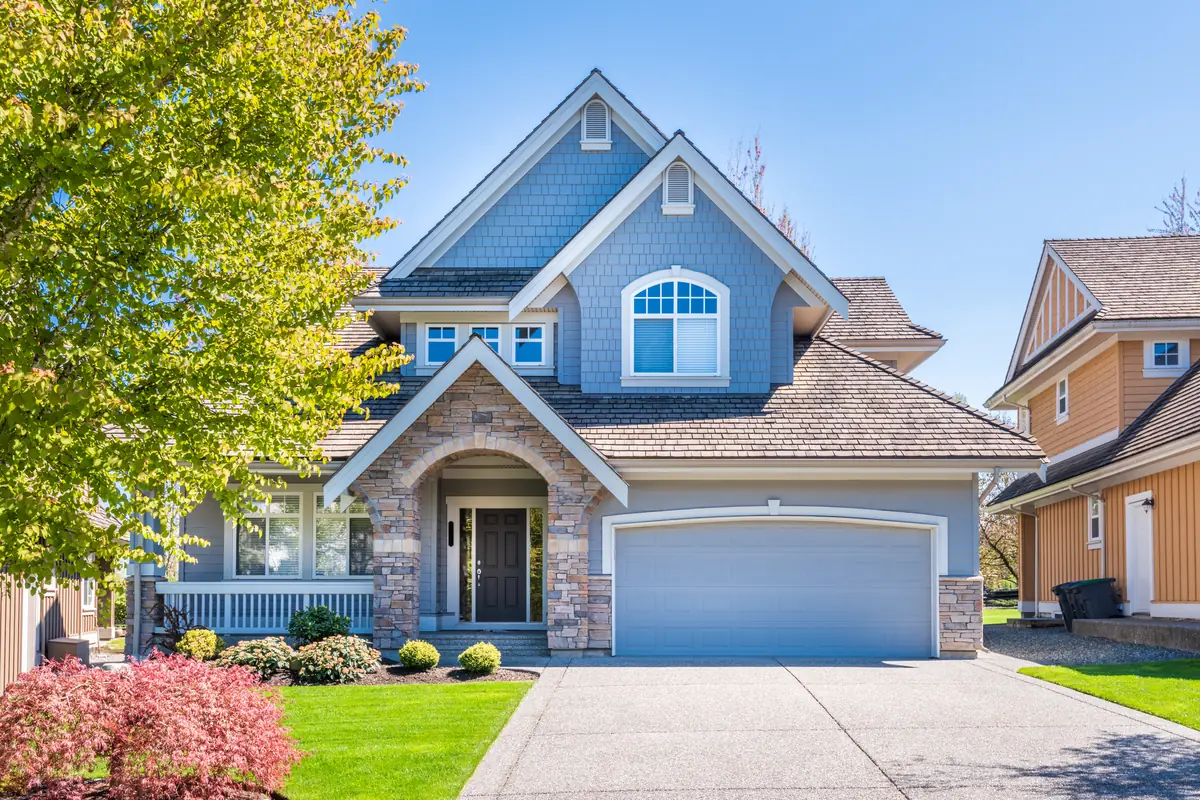

What North Dakota landlord insurance costs
We will not print a North Dakota premium, because there is not one to print. Two buildings on the same street can submit at very different numbers, and the reason is usually sitting on top of one of them. What can be described honestly is what an underwriter reaches for when a North Dakota file lands, and in this state that list is short and shaped by the weather.
Roof age and roof covering come first, because hail is a peril the form answers here rather than one it excludes, and a roof that has already taken a season of it is the component most likely to be re-inspected before terms are offered. Heat is second, and it is specific to a rental rather than to a house: a unit standing empty between tenancies through a Dakota February is a freeze exposure, so how the building is monitored while it sits is a question asked out loud rather than inferred from the application. Third is the placement that never appears on the policy at all — flood, which in the valley is what owners are actually worried about and is bought from a separate market. The drivers that do not change at a state line, and what the policy is assembled from, are set out on the landlord insurance pillar.
North Dakota landlord regulations
North Dakota legislates the money. Its leasing chapter decides where a tenant’s deposit has to sit, what that money earns while it sits there, who the earnings belong to, and — new since 2025 — whether you may attach a charge to the way rent arrives. All four are operating instructions rather than filings, which is why they reach further into a week of managing rentals than anything else in the chapter.
The deposit is an account, not a balance
North Dakota runs residential tenancy out of its general leasing-of-real-property chapter rather than a uniform act, and its deposit section is drawn broadly enough to reach any lessor of real property or a dwelling — the state and its political subdivisions included.
Most deposit statutes tell an owner when to give the money back. This one starts a step earlier and tells you where to put it. Under N.D.C.C. §§ 47-16-07.1(1), (3), 47-16-07.2, 47-16-20.1, a lessor who requires money as security deposits it in a federally insured interest-bearing savings or checking account for the benefit of the tenant, and the interest accruing there is paid over to the tenant with the deposit when the lease ends. Occupancy of less than nine months relieves the interest. Nothing relieves the account. An owner running deposits through an operating balance is not late on a deadline — they are outside the section from the day the key changes hands, and no amount of prompt refunding cures it retroactively.
What North Dakota actually requires of you
- Bank the deposit rather than hold it. North Dakota does not merely tell you to return the money — it tells you where the money lives: a federally insured interest-bearing savings or checking account, for the benefit of the tenant, and the interest accruing on it is paid over WITH the deposit at termination. The one relief is duration, not effort: no interest is owed where the period of occupancy ran under nine months, and the account requirement is not relieved with it. N.D.C.C. § 47-16-07.1(1), read with the interest sentence in § 47-16-07.1(3)
- Cap the deposit at one month’s rent, "however denominated" — the phrase is the statute’s and it defeats renaming the charge. Only two exceptions exist and both are about the individual, not the unit: you may accept up to two months’ from a person convicted of a felony offense as an incentive to rent to them, and you may demand up to two months’ from a person with a judgment entered against them for violating the terms of a previous rental agreement. A pet security deposit is authorized separately, with its own ceiling, and is not a license to exceed the cap for anything else. N.D.C.C. § 47-16-07.1(1)(a), (b), read against the separate pet allowance at § 47-16-07.1(2)
- Sign the condition statement at the front of the tenancy, not after a dispute. The landlord provides a statement describing the condition of the facilities in and about the premises at the time of entering the rental agreement, and it must be agreed to AND signed by both of you. Do that and the statute makes it prima facie proof of the condition at the beginning of the agreement — the evidentiary work is done before you need it. N.D.C.C. § 47-16-07.2 (which carries no subdivisions)
- Itemize and mail within thirty days of BOTH termination of the lease and delivery of possession — the clock needs both events, not whichever comes first. Send the itemization, the amount due, and a written notice stating any amount still owed to you or the refund owed to the tenant, to the last address the tenant furnished you. Withhold without reasonable justification and the exposure is treble damages, not the sum withheld. N.D.C.C. § 47-16-07.1(3), with the treble-damages exposure at § 47-16-07.1(4)
- Re-time the closeout clock when a tenant terminates as a victim of domestic violence, and read the co-tenant question before you start counting — the trigger is not the same in a single-tenant unit and a shared one. Where the victim is the only tenant, deposit timing under the deposit section runs from the first day of the month following the date they vacate. Where other tenants remain bound by the lease, it does not run until the lease expires, which can be many months after the unit is walked. An owner who runs the ordinary vacate-date clock in the second case pays out early on a tenancy that is still live. N.D.C.C. § 47-16-17.1(8)(a), (b), which re-times § 47-16-07.1
- Hand the deposit and its accrued interest to the buyer at closing and confirm the transfer actually happened. The statute transfers the obligation to the grantee, but it does not relieve YOU until the money moves — and whoever holds the lessor’s interest when the lease ends is bound by the section whether or not they are the lessor who took the deposit. On a rental bought with tenants in place, the deposit is a liability you inherit, not a balance the seller keeps. N.D.C.C. § 47-16-07.1(5)
Read those against a book of buildings rather than a single lease and the operational answer is a custody discipline instead of a calendar one. The money is not yours to float. The ceiling is one month’s rent whatever the charge is called, because the statute says "however denominated" and that phrase defeats renaming it. And the two routes above one month attach to the individual applicant rather than to the unit, which means neither can be written into a standard lease and applied across a schedule — they are per-applicant decisions, documented per applicant.
The closeout clock, and the tenancy where it does not start at the walkthrough
The ordinary clock needs two events and not one. The itemization, the amount due and the written notice go to the tenant’s last furnished address within thirty days after termination of the lease and delivery of possession. A tenant who leaves early on a lease that still has months to run has not started it, and neither has a lease that quietly expired while somebody is still living there.
Then there is the tenancy the chapter re-times, and it is the one most likely to be run wrong because it looks like every other move-out. N.D.C.C. § 47-16-17.1(8)(a), (b) decides when deposit timing under the deposit section is triggered where a tenant ends the lease as a victim of domestic violence, and it decides it two different ways. If that tenant, together with their minor children, is the only tenant, timing runs from the first day of the month following the date they vacate. If there are additional tenants bound by the lease, timing does not run until the lease expires — and the same section says the tenancy continues for those remaining tenants.
That second branch is where money leaves early. Walk the unit, find it empty, start a thirty-day count out of habit, and you can pay a deposit out against a tenancy that is still running and still capable of generating the damage or the unpaid rent that deposit was held for. The action is a roster check before a date check: open the lease, see who else signed it, and only then decide which event the clock is hanging from. On a duplex or a fourplex where co-signers and household members are common, that is not a rare edge — it is the ordinary shape of the lease.
Since 2025, the way rent arrives cannot carry a fee
House Bill 1610 added N.D.C.C. § 47-16-20.1 to the leasing chapter, and it is two lines long: a landlord may not charge a tenant a fee to accept cash, a check or a money order for the payment of rent or any other payment required by the landlord under a lease for real property. The reach is the whole lease rather than the rent line. A tender-type surcharge on a deposit installment, a pet charge or a utility reimbursement paid by check sits inside the bar with everything else.
The work this creates is a document sweep, not a legal question. Read your lease addenda and read whatever your payment portal charges by tender type, then take the surcharge off cash, checks and money orders. A convenience fee that was unremarkable two renewals ago is now a lease term you would be enforcing against a statute.
What that means for you: Open a federally insured interest-bearing savings or checking account and hold every deposit there for the tenant’s benefit rather than in your operating funds; keep the deposit itself at one month’s rent unless one of the two named exceptions applies; get the condition statement signed at lease signing, because it is the proof the statute says it is; then itemize and mail within thirty days of termination and delivery of possession, and stop charging any fee for accepting cash, a check or a money order — that last one has only been law since August 2025.
Fair housing: the exemption that never reaches the advertisement
North Dakota draws its owner-occupied line at exactly the span this brand writes, and then declines to carry it all the way. The sale-or-rental prohibitions and the sections after them do not apply to the rooms or units in a dwelling containing living quarters occupied by or intended to be occupied by not more than four families living independently of each other, where the owner maintains and occupies one of those living quarters as the owner’s residence — an owner-occupied duplex, triplex or fourplex, described in units rather than rooms. But the lift is written as an enumeration and the enumeration steps over the publication section: the ban on any notice, statement or advertisement indicating a preference, limitation or discrimination is never lifted, and neither is the separate intimidation-and-interference offense. The other exemption, for an owner of not more than three single-family houses, is narrower than it reads — it is forfeited by using a licensed broker or agent, forfeited by publishing an advertisement the publication section prohibits, limited to one sale or rental in a twenty-four-month period where the owner was not the most recent resident, and lost outright by owning any dwelling designed or intended for occupancy by five or more families. North Dakota also protects more people than the federal floor does, adding age, status with respect to marriage and status with respect to public assistance to the federal classes.
Seeing the mechanic in the text is worth thirty seconds, because at reading speed it disappears. Subsection (2) lifts "section 14-02.5-02 and sections 14-02.5-04 through 14-02.5-08" — read it at N.D.C.C. § 14-02.5-09(1), (2), read against §§ 14-02.5-02, 14-02.5-03 and 14-02.5-45, and against the repealed housing sections of ch. 14-02.4. The enumeration steps from -02 straight to -04, and the section it steps over, § 14-02.5-03, is the one governing any notice, statement or advertisement about the rental of a dwelling. The whole of it is done by where the enumeration starts counting, which is why it is missed.
A screening standard imported from a federal checklist is therefore short here before anyone has done anything wrong. The body that takes a housing complaint in this state, and investigates it, is the North Dakota Department of Labor and Human Rights. What defending one costs, and which part of the policy stands behind it, is set out on the tenant discrimination page.
What that means for you: Write every listing as though no exemption existed, because in the building most likely to qualify for one it genuinely does not — the owner-occupied duplex whose tenancy terms fall outside the act still has its advertising regulated word for word. And before you lean on the three-house exemption, count what else you own: a single building of five or more families anywhere in your holdings ends it, and so does handing the rental to an agent.
Forms, rates and carrier conduct in this state answer to the North Dakota Insurance & Securities Department, and the name is worth one sentence of its own. Senate Bill 2214 folded the Securities Department into it effective July 1, 2025, and the department said updates reflecting the new name and structure would be shared through the year — so the merged form, the pre-merger form, and the Century Code’s own generic reference in chapter 26.1-01 all describe the same body. Where a dispute with a carrier cannot be settled directly, that department is the address. What a carrier is willing to write on your building is a separate question, and not one it answers.
Common North Dakota landlord risks
North Dakota property placement is a severe-winter and severe-convective conversation, and the flood question — the one the state is best known for — is answered entirely outside the policy. The National Weather Service’s Grand Forks office explains the Red River of the North the way an underwriter would: the river runs north toward Canada and Hudson Bay, the valley slope is relatively flat so the flow of the Red is slow, and a spring melt that arrives while the downstream channel remains frozen backs water up behind localized ice jams that impede the flow and drive river levels higher. NOAA’s state climate summary reaches the same place from the data, calling the Red River Valley one of the most flood-prone areas in the United States for those two reasons together, its low gradient and its northward flow. None of it is a covered peril, and the Insurance & Securities Department says so in its own consumer material: most policies do not cover floods, and an owner buys that separately through the National Flood Insurance Program. What the standard form does answer for is the rest of a North Dakota year. The same climate summary describes winter storm systems arriving with heavy snows, high winds and low wind chills and treats a blizzard as an ordinary feature of the season rather than an outlier — which is the burst-pipe exposure of a unit standing empty between tenancies, and the snow a roof carries into March. In the warm months the summary’s most severe thunderstorms produce hail, tornadoes and damaging straight-line winds, and it notes wildfire becoming more common from mid-summer through early fall. The department’s own homeowners page names fire, wind and hail as what the structure is protected against. One structural piece of the placement picture is worth knowing before an owner goes looking for it: North Dakota keeps a property insurance placement facility on the statute books, but the chapter opens on a sunrise rather than an operating plan — the commissioner must hold a public hearing and find a lack of availability in the market before ordering it implemented — so an owner working a hard-to-place rental here is working the standard market, not a standing facility.
Two of those exposures land on the same building and behave like opposites. The winter loss is slow, interior and usually discovered late — a supply line behind a wall in a unit nobody has walked since the last tenant handed the keys back. The convective loss is fast, exterior and arrives across a whole town on one afternoon, which is what puts several of your roofs into the same claim season and the same contractor queue. An owner holding three buildings in one river town has less spread than the map suggested when they bought them, and an owner whose units share a roof plane — a triplex under one deck, say — has less again.
Set out plainly: the form on a North Dakota rental responds to Fire, Hail, Straight-line thunderstorm wind, Tornado, Winter storm, and Wildfire, and it answers through property coverage, loss of rents, and general liability. Outside that list, and switched on by no part of the property policy: Flood — bought on its own through the National Flood Insurance Program or a private flood market.
For an owner working a building the market is reluctant to write, the practical consequence sits in the last line of that picture: the work gets done in the standard market, file by file. What moves a reluctant file is documentation rather than argument — roof age and roof work with dates against them, how heat and water are monitored on a unit standing empty, and a loss history told in full rather than summarized into a sentence. That is a slower submission and a better one.
The ordinary North Dakota claim is water that arrived from the wrong side of a wall: a supply line, a water heater, or meltwater pushed under shingles by an ice dam and found on a top-floor ceiling in March. Repairing the structure is answered by property coverage. The rent that stops while the unit cannot be lived in is a different limit on a different trigger and lives on loss of rents — worth sizing deliberately in a market where the repair queue has a season.
Common North Dakota landlord claims we see
Hail on a roof is the claim that arrives in batches. One cell crosses a town and every owner on that side of it files inside a fortnight, which is when a schedule discovers whether it is spread across the state or stacked in one county. The claim itself is ordinary. The adjusting timeline is not, because materials and labor are being asked for by everybody at once, and a unit that cannot be re-let in September in a university market is a longer loss than the roof invoice suggests.
Freeze losses hit hardest on units standing empty between tenancies. A furnace that quit on a Thursday in a building nobody is living in is a water claim by Sunday, and the conversation afterwards is almost always about whether heat was maintained and who was checking. Owners who solve this once — a monitored thermostat, a shut-off and drain on a unit that will sit, a standing arrangement with somebody local — stop having that conversation. Owners who solve it per building, every winter, eventually lose one.
Liability in a winter state has a season of its own. Ice on a walk, a stair after a thaw and refreeze, a lot cleared unevenly at six in the morning. General liability is what stands behind a bodily-injury demand from somebody who went down on ground you are responsible for, and what decides these files is the paper: when the walk was cleared, by whom, and under what standing instruction. On a building you clear yourself that record is a memory. Across a quadplex or several buildings it has to be a system, and the system is what an adjuster will ask to see.
Why North Dakota rental property owners choose Rental Guard
North Dakota is a state that makes an owner park every security deposit in a federally insured interest-bearing account held for the tenant’s benefit, and hand the interest over with the deposit unless the tenancy ran under nine months — and an owner arriving from a state that treats a deposit as a balance rather than as a custodial account will get that wrong on their first lease here. Every account on our book is a residential rental building of one to four units, which means the building type is not the part of your submission we are working out. When a market tightens on roof vintage or on vacancy patterns, the useful answer is which of the others has not, and that is a phone call rather than a resubmission. You can also check who you are dealing with before you send anything: the agent is named on this site and the agency license number is printed at the bottom of every page.
Major North Dakota rental markets
An owner holding across two of these towns is usually holding two different underwriting conversations, which is why a duplex in one of them and a duplex in another rarely quote alike.
- Fargo. The state’s deepest rental market sits on the west bank of the Red River of the North with a university tenancy running on a September-to-May calendar, so turnover arrives in one concentrated window and the flood question is answered off the policy rather than on it.
- West Fargo. The newest residential stock in the metro, which is why two buildings ten minutes apart submit differently: roof age, service panel and supply-line material are the fields that separate a West Fargo file from an older Fargo one, and they are the fields underwriting reads first.
- Bismarck. Capital-city tenancy moves on a legislative and agency calendar rather than at random, and the Missouri River corridor puts part of the rental stock into a flood conversation that has to be held with a separate carrier before the building is bound.
- Mandan. Across the river from the capital and underwritten as its own submarket — refinery and rail employment, older platted core stock, and a housing base whose tenants are on shift schedules rather than office hours, which changes what a vacancy looks like month to month.
- Grand Forks. A university market where a large share of leases begin and end together, so a single hail season landing in August finds an owner with several units empty at once and a repair window measured against move-in week rather than against the adjuster.
- Minot. The Souris River runs through the middle of it and an Air Force installation sits north of it, so leases break mid-term on assignment orders more often than they do elsewhere in the state and the deposit closeout process runs more times per year per unit.
- Williston. Bakken payroll sets rental demand here on a commodity cycle rather than a population one, which makes the vacancy narrative — how long units sit, and who is checking the heat while they do — the underwriting question rather than an afterthought on the application.
- Dickinson. The same western energy cycle reaching an older platted core on the interstate corridor, so a schedule here often mixes newer purpose-built rentals with pre-war houses converted to two and three units, and the two halves do not price alike or claim alike.
- Jamestown. A James River town on the interstate where a single campus and a small number of large employers move occupancy together, which concentrates re-let risk in a way an owner used to a bigger market underestimates when sizing rental-income cover.
How the same questions land across the state line
- Landlord insurance in South Dakota — the same one-month ceiling immediately south of you, but it lifts only where a special condition poses a danger to maintenance of the premises, and the return and accounting clocks start on two different events.
- Landlord insurance in Iowa — two months’ rent permitted, and the interest a deposit earns in the first five years of a tenancy booked as the landlord’s own property rather than the tenant’s.
- Landlord insurance in Michigan — an owner-occupied fair-housing exemption drawn at two families rather than at four, so a resident owner sits inside the state acts at a building size that is outside them here.
Related reading
North Dakota landlord insurance FAQs
Where does North Dakota require me to keep a security deposit?
In a federally insured interest-bearing savings or checking account, held for the benefit of the tenant. That is the first sentence of N.D.C.C. section 47-16-07.1, and it is a duty about custody rather than about deadlines — the money is not supposed to sit in the account you pay contractors out of. An owner who returns every deposit on time but never opened the account has still not done what the section asks.
Do I owe my tenant the interest the deposit earned?
Yes, unless the tenancy was short. The deposit and any interest accruing on it are paid to the tenant when the lease terminates. The one relief is duration: no interest is owed where the period of occupancy was less than nine months. Note what that relief does not touch — the account itself. A tenancy of six months still belongs in the interest-bearing account; you simply are not paying the interest over at the end of it.
When does the thirty-day deposit clock actually start?
It needs two events, not one. The itemization, the amount due and the written notice go out within thirty days after termination of the lease and delivery of possession. A tenant who moves out early on a lease that still runs has not started the clock, and neither has a lease that expired while somebody is still in the unit. There is one situation where the statute re-times all of this, and it is covered further up this page.
Can I still charge a fee when rent is paid by check or in cash?
No. Section 47-16-20.1, in force since August 2025, says a landlord may not charge a tenant a fee to accept cash, a check or a money order for the payment of rent or any other payment required under a lease for real property. Read the last clause carefully — it reaches beyond the rent line to any payment the lease requires, so a tender-type surcharge on a deposit installment or a utility reimbursement is inside the bar as well.
Does my policy cover flood in the Red River Valley?
No, and this is the assumption worth killing early because of where the state sits. The department says it plainly in its own consumer material: most policies do not cover floods, and flood cover is bought separately through the National Flood Insurance Program. The Red flows north with a very low valley gradient, so a melt that arrives while the downstream channel is still frozen backs water up behind ice jams. None of that is a peril the property form answers.
I live in one unit of my fourplex. Does fair housing still apply to me?
Partly, and the part that is not exempt is the one owners get caught by. Section 14-02.5-09(2) lifts section 14-02.5-02 and sections 14-02.5-04 through 14-02.5-08 for a dwelling with living quarters for not more than four families living independently, where the owner keeps and occupies one of them. The enumeration steps from -02 to -04, so section 14-02.5-03 — the publication section, which governs any notice, statement or advertisement — is never lifted. Neither is the intimidation-and-interference offense. Write the advertisement as though no exemption existed.
Why does the state insurance department seem to have two names?
Because it recently gained a second half. Senate Bill 2214 folded the Securities Department into the insurance department effective July 1, 2025, and the department said updates reflecting the new name and structure would be shared through the year. So you will meet the merged name on the current site and the pre-merger name on older material, and the Century Code itself still refers to "the insurance department" throughout chapter 26.1-01. It is one body with three ways of being written down, and complaints go to the same place regardless.
Get a North Dakota landlord insurance quote
Send us the building and the policy you have now. and we will tell you what the roof and the vacancy pattern are doing to your terms.
Get a Free Quote