
Rental Property Insurance in Connecticut: What Moves a Quote
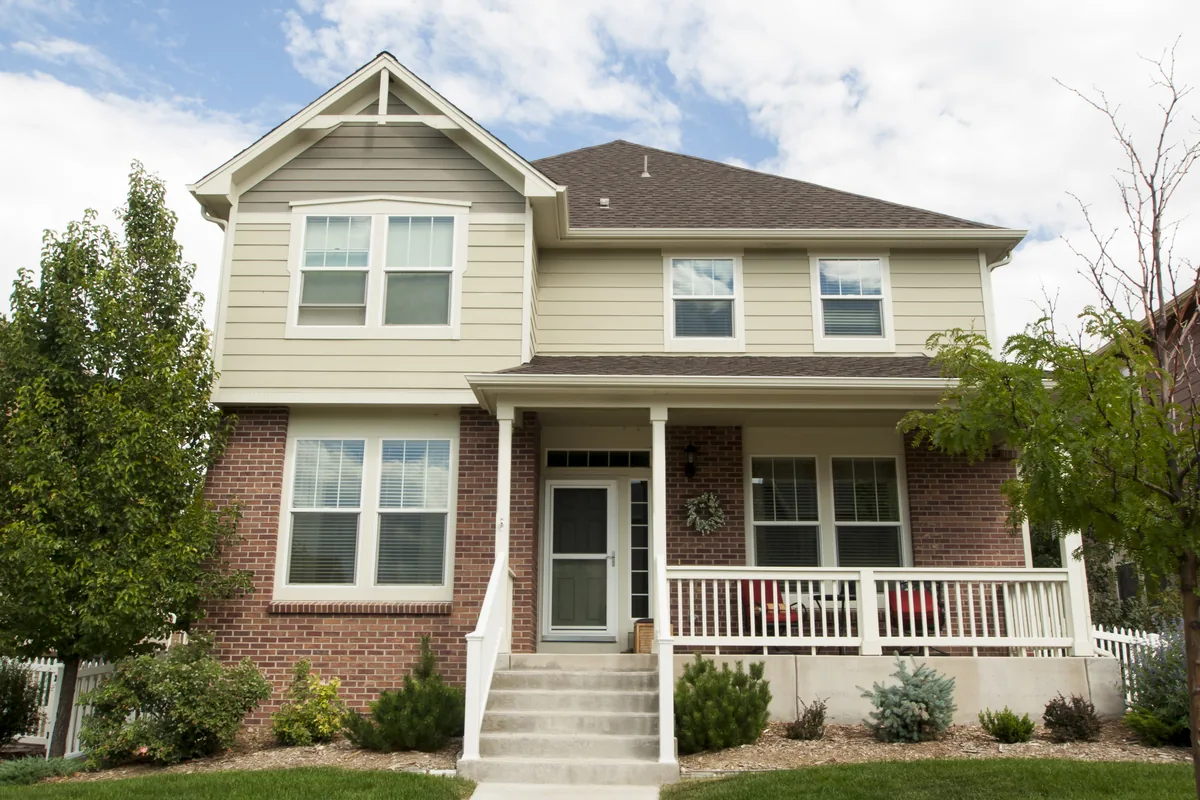
A rental property quote in Connecticut is a description with a question attached. The inputs that move it are the building, who occupies it, what has been done to it, its record, where it stands and the choices you make. Assembling them first gets you a quote about the building you actually own.
What a quote is made from
An owner asks for a number and an insurer answers with one, but the number is the last step in a process that begins with a description. The insurer cannot price a building it cannot picture, so the quote is only as accurate as the picture it was given.
Each input you provide does one of three things, as it does for any small rental building: it affects whether the building is written, on what terms, or at what price. Knowing which is useful, because it tells you where effort pays off. This piece is about the inputs and what they move. It is not about what the coverages do; our Connecticut landlord insurance page and the Connecticut overview cover the market and the verified facts about the state.
The building: what it is and how it is built
The first input is the physical building. How many units, whether it was built that way or converted, what it is made of, how the units are arranged and separated, what is shared. This moves eligibility and price, because a building’s construction decides which markets want it and how the insurer imagines a loss spreading.
A purpose-built small building and a converted older house with the same number of units are different files. Say which yours is. If you do not know what some of it is made of, say that too, and say how you will find out.
Occupants and the terms they hold
The second input is occupancy. Who lives in each unit, on what lease and for how long, whether any unit is empty, and whether you live in one yourself. This moves eligibility first and terms second.
A rental form assumes a certain kind of occupancy. A building the owner shares is part residence and part rental, and markets differ on how they handle it. Our duplex insurance page for Connecticut addresses the two-unit case, where the owner often lives in one half. In every case the rule is the same: describe the arrangement as it is, and tell the agent the day it changes.
What has been done to it
Third, the work. The age and condition of the roof, the heating system, the wiring and the plumbing, and when each was last replaced or serviced. This moves terms and price, and sometimes eligibility.
Dates and invoices beat adjectives. “Updated” tells an underwriter nothing; “boiler replaced, invoice attached” tells them what they need. If a replacement is planned, say when. A building with a roof near the end of its life can often still be written, but it may be shown to different markets than one with a new roof.
The record
Fourth, the history. The policy you hold now, its declarations page, and the losses you have had, with what caused each and what was done afterwards. This moves price and eligibility.
A bare list of claims invites the worst reading. A list with the repair and the change beside each invites a better one. If the building is currently insured, the declarations page is the quickest way to show an agent what you have; which policy a rental building takes explains how to read it.
Real-World Scenario: Two owners ask about nearly identical small buildings in the same Connecticut city. The first sends an address and the words “older three-unit, tenants, needs insurance”. The second sends the construction type, the lease terms, the date of the last roof work with an invoice, the boiler’s age from its data plate and the declarations page from the current policy. Both buildings are ordinary. The first quote comes back after several questions and several assumptions. The second comes back from a market chosen because the description fit its appetite. The buildings were alike; the files were not.
Where it stands in Connecticut
Fifth, the place. Connecticut’s verified perils include named-storm wind, the weight of ice and snow, freeze damage and fire, and the state’s coastline changes the terms for some buildings. On the shoreline a named storm commonly arrives with its own deductible, and flood and storm surge are not on a standard property form at all; they are their own placement through the federal program or a private market. The FEMA flood map service and FloodSmart are the federal starting points.
Inland, winter does the work: ice and snow on roofs, freeze in empty units. Where the building stands moves terms at least as much as price, which is why the first question about location is not “how much” but “what comes attached”.
The choices you make
Sixth, the decisions. The liability limit, the deductible, and whether the building is insured to replacement cost or to actual cash value. These move price directly and shape what the policy does after a loss.
Valuation deserves a sentence of its own. A policy that settles at replacement cost pays to rebuild with materials of like kind; one that settles at actual cash value takes depreciation off, which on an older building can leave a wide gap. Owners find out which they bought at the settlement unless they ask first, and in an older Connecticut building with decades of weather on the roof the question is not academic.
We do not recommend numbers here. The right limit and deductible depend on the building and on what you can carry yourself. What an agent can do is show you how a different choice changes the policy’s shape, not only the premium, so you are comparing what you would receive and not only what you would pay. What sets the price of landlord insurance goes through the drivers.
Who else needs to see it
Last, the other parties. A lender usually has requirements for a financed building, and an entity that owns the building changes who the named insured should be. These do not move the price much, but they can stop a policy from being accepted, and they are cheaper to settle before binding than after.
If the ordinary market will not write the building, Connecticut has a FAIR Plan, which describes its cover as basic and named-peril with liability reaching only up to three-family dwellings. The Connecticut Insurance Department is the regulator to ask about how any of this works, and the NAIC’s consumer hub is a neutral general reference.
Naming what you do not know
Almost every owner has gaps, and the usual instinct is to fill them with a plausible answer. Resist it. An unknown can usually be resolved quickly: the age of a boiler is on its data plate, the date of the roof work is on an invoice, the construction can be read from the building department’s record or an inspection. A gap you can name and a plan to close it is something an agent can work around.
A guess offered as a fact is the thing that comes apart later. The application becomes part of the contract, and an answer that proves wrong is a question a claim handler will ask at exactly the moment the owner can least afford to be asked it.
What happens after you send it
Once the description is in, the agent sorts the building: which class of market is likely to want it, in what order, and what is missing. Quotes come back from the markets that fit, and they rarely look identical. Different insurers write different forms, and a difference in price often reflects a difference in what is being offered.
Our piece on which carriers write three-unit buildings explains the classes of market a file can move between, and the same structure applies to a two- or four-unit building. When quotes arrive, compare the form, the exclusions and the conditions before the price. A cheaper quote on a narrower form is not a cheaper policy.
If you gather the things above, you have most of what an agent needs. Send them, even incomplete, and ask what is missing. If you own several buildings, tracking insurance across several rentals deals with keeping the paperwork consistent. When you are ready, start a quote, and here is who writes these pages.
The bottom line
A rental property quote in Connecticut is a description with a question attached, and the inputs that move it are the building, who occupies it, what has been done to it, its record, where it stands and the choices you make — so the owner who assembles them first gets a quote about the building they actually have.
Frequently asked questions
What do I need to get a rental property quote?
The address, how the building is built and arranged, how many units it holds, who occupies each and on what terms, the age and condition of the roof and the main systems, the loss history, and the policy you hold now if any. You do not need everything perfect. A gap you name is easier to work with than one that is discovered.
Does the age of the building matter?
It matters mostly through what has been done to it. An older building with a recent roof, updated wiring and a current heating system is a different file from the same building with original everything. Dates and invoices carry more weight than adjectives. Say what was replaced, when, and who did it.
Does living in one of the units change the quote?
It can change which markets will consider the building and how it is classified, because a building lived in by its owner is part residence and part rental. The answer is neither good nor bad in itself. Describe it exactly, including which unit you occupy and whether it is permanent, and let the agent find the right route.
Why does being near the shoreline matter?
Because on the Connecticut shoreline a named storm commonly arrives with its own deductible attached, and flood is a separate placement through the federal program or a private market. Where the building stands is therefore an input to terms, not only to price. Ask what the deductible would be and how it is triggered before you accept a quote.
Can I change my quote by changing my choices?
Some of it, yes. The limit, the deductible and the valuation basis are decisions, and each moves the result. We do not recommend a number here because the right one depends on the building and on what you can carry yourself. An agent can show you how a different choice changes the shape of the policy, not only its price.
What if the building has been declined elsewhere?
Tell us, and tell us why if you know. A decline is common on older small multi-unit buildings and is not a verdict on the building. Connecticut also has a FAIR Plan for property the ordinary market will not write, with limits of its own, so the file may move there or to another class of market rather than ending.